Understanding Window Tint Chattanooga: Benefits and Options
1.1 Functions of Window Tint
Window tinting serves multiple functions that enhance both the comfort and aesthetics of your vehicle. One of the primary benefits is heat rejection; window films are designed to block harmful UV rays and reduce heat buildup, leading to a cooler cabin on hot days. This not only enhances passenger comfort but also reduces the burden on air conditioning systems, potentially improving fuel efficiency.
In addition to temperature control, window tint provides increased privacy. A vehicle with tinted windows offers a level of concealment for its occupants and belongings, making it less appealing to potential thieves. Furthermore, high-quality window tints can reduce glare from sunlight, making driving safer and more pleasant.
1.2 Types of Window Tint Available
When choosing window tint Chattanooga, it is crucial to understand the various types of tint that are available. Common options include:
- Dyed Window Films: These films are popular for their affordability and aesthetic appeal. They work by absorbing sunlight and reducing glare but have limited heat rejection capabilities compared to other types.
- Metalized Window Films: Incorporating metallic particles, metalized films reflect heat and UV rays effectively. They also add a layer of strength to the glass, making it more resistant to shattering.
- Ceramic Window Films: Among the highest quality available, ceramic films provide excellent heat rejection without compromising visibility. They are also non-metallic, which means they will not interfere with electronic signals in the vehicle.
- Hybrid Films: Combining the advantages of both dyed and metalized films, hybrids offer aesthetic appeal and improved heat rejection properties.
1.3 Selecting the Best Option for Your Vehicle
Selecting the right window tint for your vehicle involves several considerations. First, assess your primary motivations—whether it's to enhance privacy, protect against UV rays, or add aesthetic value. Next, consider the local climate; if you live in an area with intense sunlight, a ceramic or metalized film may be more beneficial.
Furthermore, evaluate the legality of the tints in your area. Some states have strict regulations regarding permissible tint percentages. Researching local laws can save you from potential fines or having to remove your tint later on.
Lastly, it’s crucial to factor in your budget. While opting for the cheapest options can be tempting, investing in a higher quality film can provide better performance and longevity, ultimately saving you money in the long run.
Choosing a Window Tint Provider in Chattanooga
2.1 What to Look for in a Professional Service
Finding a reliable window tint provider in Chattanooga is essential for a successful installation. Look for a company that has extensive experience and positive customer feedback. Check if the technicians are certified and trained in the latest tinting techniques.
Additionally, evaluate the range of products they offer. A reputable provider should have various films to meet different needs and budgets, along with a clear understanding of local regulations. Warranty options are another critical factor; the best companies often provide warranty coverage for their installations, ensuring you can trust the longevity of your tint.
2.2 Questions to Ask Before Hiring
Before committing to a window tint service, ask the following questions:
- What types of window film do you offer, and what are their benefits?
- Can you show me samples of your previous work or client testimonials?
- Do you provide any guarantees or warranties for your installations?
- How long will the installation take, and what should I expect during the process?
- Are your materials certified and compliant with local laws?
2.3 Evaluating Customer Reviews and Testimonials
Customer reviews can provide valuable insights into a window tint provider's quality and reliability. Check online platforms, such as Google, Yelp, and social media for feedback from previous clients. Look for patterns in reviews; consistent praise or complaints regarding service quality, timeliness, and the durability of the tint can guide your decision. Always consider the overall star rating alongside individual testimonials to get a comprehensive view of the provider's reputation.
The Window Tinting Process Explained
3.1 Preparing Your Vehicle for Tinting
Before your appointment, it’s vital to prepare your vehicle adequately. Clean the windows thoroughly to remove dirt and dust, which can compromise the application. If you have existing tint that you want to remove, it's advisable to do so beforehand. Ensure your vehicle is parked in a shaded area or garage, as direct sunlight can interfere with the curing process.
3.2 The Installation Steps
The tinting process typically involves several steps:
- Cleaning the exterior and interior of the windows.
- Measuring the windows to ensure precise cuts of the tint film.
- Applying a solution to help with the adhesion of the film.
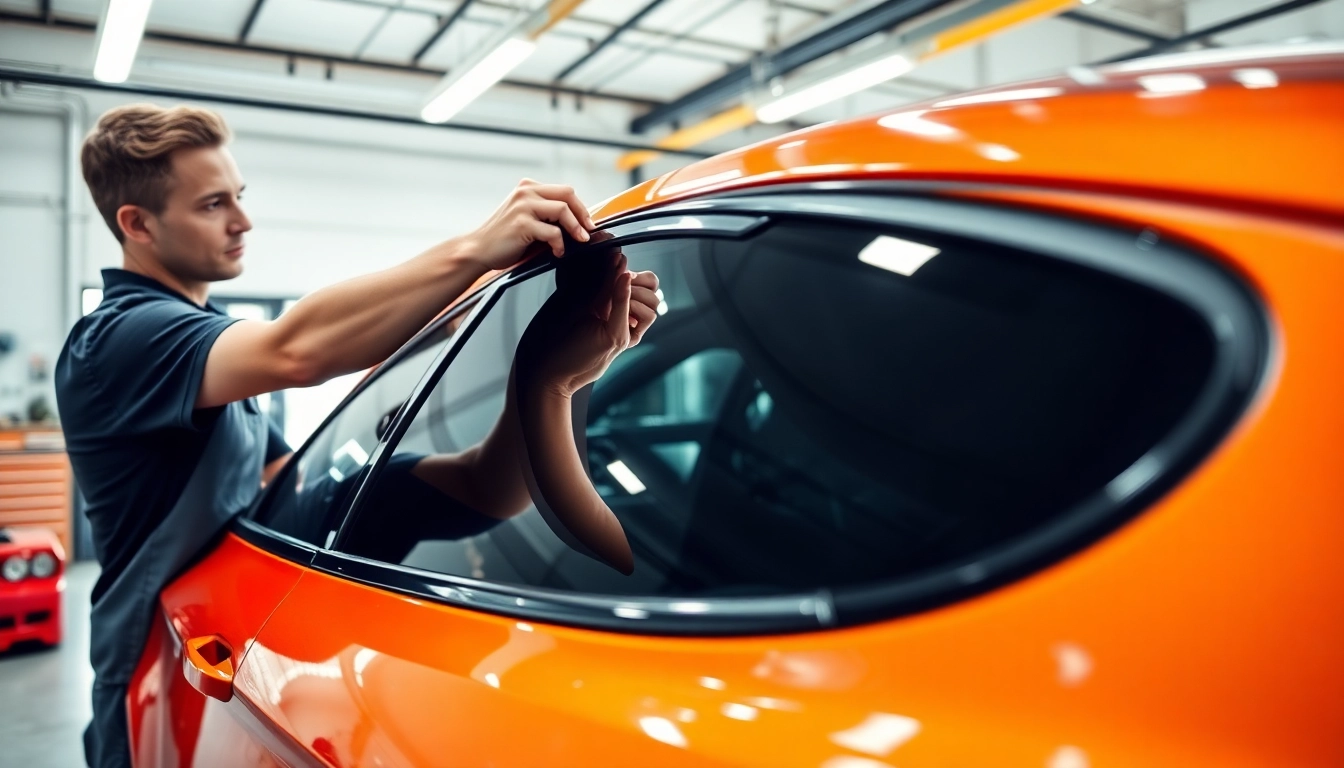
- Carefully positioning the film on the window, ensuring no bubbles form.
- Trimming excess film from the edges for a clean finish.
- Smoothing out the film and ensuring proper adherence by applying heat as necessary.
3.3 Post-Installation Care and Maintenance
After installation, proper care can extend the life of your window tint. Avoid rolling down the windows for at least 48 hours to allow the adhesive to cure fully. Clean the tinted windows with soft microfiber cloths and avoid any ammonia-based cleaners, which can damage the film. Regular maintenance checks can help identify any issues early on, ensuring your tint remains in optimal condition.
Legal Considerations for Window Tint Chattanooga
4.1 Understanding Local Laws and Regulations
Before applying window tint, it’s essential to understand the local laws governing vehicle window tinting. Each state has specific regulations regarding the allowed tint percentages and reflective qualities. In Tennessee, for instance, front windshields must allow more than 70% of light in, while the back windows and rear windshields may have darker tints. Familiarizing yourself with these regulations will help you avoid fines and ensure that your tint doesn’t obstruct your view.
4.2 Consequences of Non-Compliance
Failure to adhere to local window tint regulations can result in various penalties, including fines and the requirement to remove the non-compliant tint. In some cases, repeated offenses may lead to more severe legal issues, such as having your vehicle flagged for inspection. Compliance not only protects you legally but also ensures your safety on the road.
4.3 How to Ensure Compliance with State Guidelines
To ascertain compliance, consult with your window tint provider regarding the latest regulations. They should be well-versed in local laws and can advise you on legal tint options. Additionally, consider checking with your local Department of Motor Vehicles for the most current rules regarding vehicle window tint.
Frequently Asked Questions About Window Tint Chattanooga
5.1 How long does window tint last?
Quality window tint can last from 5 to 15 years, depending on the type of film and installation quality. Regular maintenance enhances its lifespan.
5.2 Can I remove window tint myself?
While it's possible to remove window tint yourself, using a professional is recommended to avoid damage to the glass or the interior, which can be costly to repair.
5.3 What is the best percentage of tint for privacy?
Tint percentages vary for privacy. Generally, a tint between 15% and 35% provides significant privacy while still allowing for visibility.
5.4 Does window tint affect visibility at night?
High-quality window tint should not significantly affect nighttime visibility. However, darker tints can impair visibility, so it’s essential to choose wisely.
5.5 Is window tint covered by warranty?
Many window film manufacturers offer warranties that cover defects and peeling. Check with your provider for specific warranty details and coverage information.