
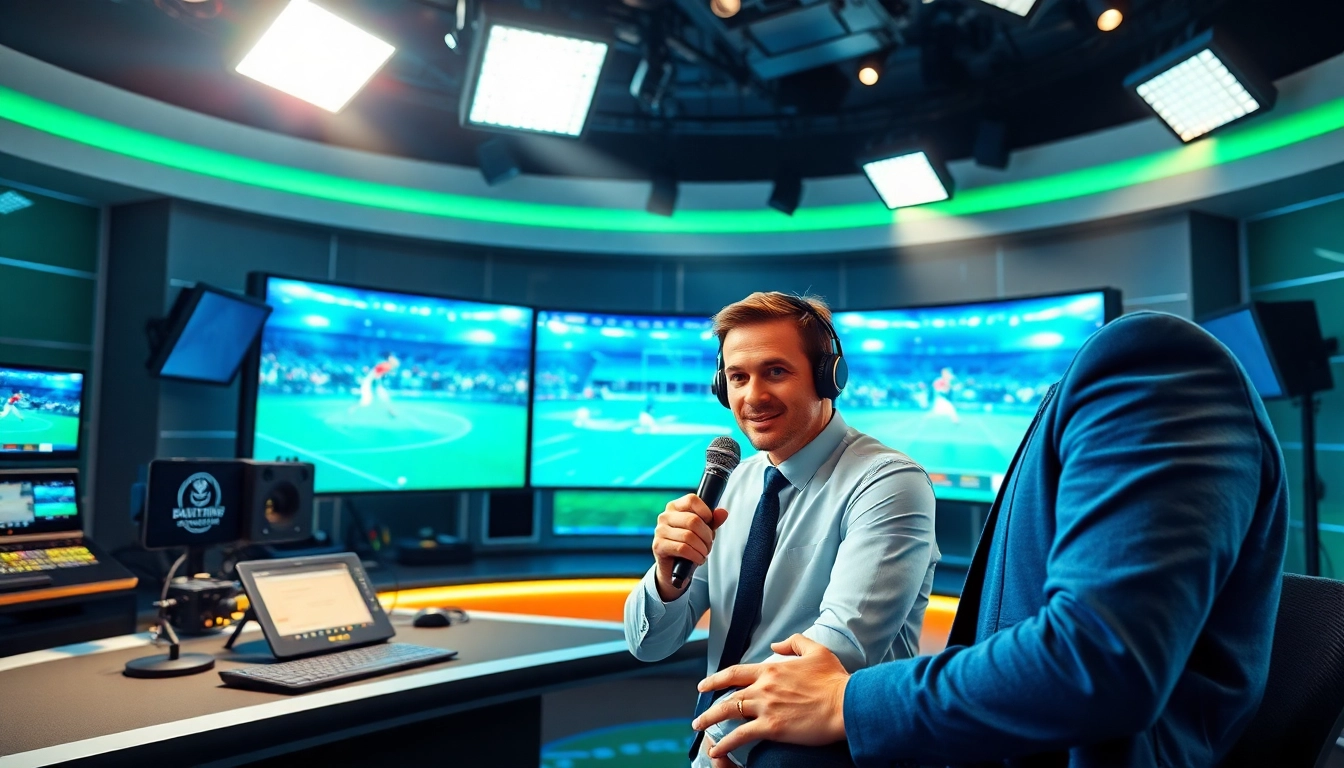
Understanding the Fundamentals of Sports Broadcasting
Sports Broadcasting is a dynamic and complex field that combines elements of journalism, entertainment, technology, and marketing. It is not just about showing games on television; it's about creating an immersive experience for audiences and connecting them with the action. As sports viewership continues to evolve, understanding the vanishing lines between traditional and digital platforms becomes imperative. This article explores the foundational aspects of Sports Broadcasting, from the roles within a broadcasting team to the various formats available.
What is Sports Broadcasting?
At its core, Sports Broadcasting involves the dissemination of live sports content to various platforms, including television, radio, and online streaming services. The purpose is to provide fans with real-time coverage of games and related commentary. It encompasses every facet of the sport—from live coverage of events to pre- and post-game analyses, interviews, and highlights, all meant to enhance the viewer's experience. With the rise of digital media, Sports Broadcasting is now more versatile, reaching audiences across multiple platforms and devices.
Key Roles in the Broadcasting Team
A successful sports broadcast requires a well-coordinated team. Key roles in the broadcasting team include:
- Play-by-Play Announcer: The voice of the game, responsible for delivering live action commentary and engaging viewers.
- Color Commentator: Provides expert analysis and insights into the game's strategy, player performances, and historical context.
- Producers: Oversee the entire broadcast, ensuring that everything runs smoothly and adheres to the schedule.
- Cameramen and Technical Crew: Capture the action and manage the technical aspects of the broadcast.
- Researchers: Supply background information, statistics, and context for the commentators and audience.
Types of Sports Broadcasting Formats
Sports Broadcasting formats vary, appealing to diverse audience preferences. The primary formats include:
- Live Telecasts: Real-time broadcasts of games, events, and competitions.
- Pre- and Post-Game Shows: Coverages focusing on analyses and predictions, as well as recaps and player interviews.
- Highlight Shows: Packages showcasing key moments from various games, often aired after live events.
- Podcasts and Digital Content: On-the-go discussion platforms that delve into game strategies, team dynamics, and player stories.
Essential Equipment for Sports Broadcasting
To create high-quality sports broadcasts, a variety of equipment is essential, ranging from cameras to audio gear and software. Understanding this equipment is crucial for both budding and seasoned producers.
Cameras and Audio Gear
Visuals and sound are critical in Sports Broadcasting. Advanced camera systems, such as multi-angle setups and 4K technology, provide compelling visuals. High-quality microphones and audio mixing consoles ensure clarity in commentary, interviews, and crowd reactions. Emerging technologies like drones and robotic cameras add innovative dimensions to sports coverage, giving audiences unique perspectives.
Software for Live Broadcasting
Software solutions play a vital role in the smooth execution of live broadcasts. Tools for live streaming, video editing, and graphics generation enhance the overall presentation quality. Programs like OBS Studio and Wirecast are popular among broadcasters for their user-friendly interfaces and robust functionality, allowing teams to create engaging broadcasts that captivate audiences.
Studio vs. Remote Broadcasting Equipment
Determining whether to set up a studio or use remote broadcasting equipment depends on the event's requirements. Studio setups provide consistent quality with advanced equipment tailored for optimal performance. Conversely, remote broadcasting equipment facilitates coverage from locations such as stadiums or arenas, requiring portable kits that are easy to transport and set up. This flexibility allows broadcasters to connect with audiences wherever sports events take place.
Strategies for Engaging Sports Broadcasting
Engagement drives viewership. The best sports broadcasts not only exhibit the game's excitement but also connect with the viewer emotionally, using well-thought-out strategies.
Building a Compelling Narrative
Telling a story is fundamental in sports broadcasting. Every game has its narrative—whether it's a player's comeback, a team's journey to the championship, or a rival showdown. Effective broadcasters craft compelling narratives that resonate with viewers, bringing the game to life and encouraging emotional investment. By highlighting these stories throughout the broadcast, the audience feels connected beyond just the score.
Utilizing Social Media for Interaction
Interactivity enhances viewer engagement. Broadcasters are increasingly using social media platforms to connect with fans, sharing live updates, behind-the-scenes content, and engaging in real-time discussions. Utilizing hashtags encourages audience participation, allowing fans to share their thoughts and create a vibrant community around the sport.
Creating Audience-Centric Content
Understanding the audience is key. Tailoring content to meet the preferences and interests of viewers ensures better engagement. This could involve creating specialized segments, such as player-focused interviews, fan polls, or interactive quizzes. Audience-centric content not only retains existing fans but also attracts new viewers, fostering long-term loyalty and interest.
Challenges in Sports Broadcasting
While sports broadcasting can be thrilling, it is not without its challenges. Navigating these obstacles requires foresight, agility, and innovative solutions.
Handling Live Mistakes and On-Air Blunders
Live broadcasting is susceptible to errors. Mistakes can arise from technical difficulties, miscommunications, or unexpected incidents. Having a prepared team and contingency plans in place can mitigate the fallout from such blunders. Quick recovery strategies, like humor and prompt corrections, can diffuse tense moments while keeping the audience engaged.
Dealing with Rights and Licensing Issues
Copyright and licensing present hurdles that broadcasters must navigate carefully. Obtaining the rights to air specific events can be expensive and complicated, particularly in international contexts. Broadcasters need to be proactive in negotiating deals and ensuring compliance with licensing requirements to operate legally and maintain their reputation.
Staying Relevant in a Competitive Market
The broadcasting landscape is constantly evolving. As digital platforms proliferate, traditional broadcasters face competition from new entrants. To remain relevant, broadcasters must adapt to shifting trends, invest in innovative technologies, and diversify their content offerings. Continuous market analysis enables teams to better anticipate audience needs and adjust strategies accordingly.
Measuring Success in Sports Broadcasting
Ultimately, defining success is crucial for any broadcasting team. By identifying key performance indicators (KPIs) and actively analyzing audience feedback, broadcasters can measure their impact and continually improve.
Key Performance Indicators (KPIs)
KPIs are essential for evaluating the effectiveness of sports broadcasts. Metrics such as viewership numbers, engagement rates, audience retention, and social media interactions provide valuable insights into what resonates with viewers. Monitoring these KPIs aids in identifying trends, allowing broadcasters to adjust their strategies accordingly.
Analyzing Audience Feedback and Ratings
Audience feedback, whether through surveys, social media comments, or ratings, offers perspective on viewer satisfaction. Engaging with audience comments can yield actionable insights, revealing content that works and areas for improvement. By analyzing this feedback regularly, broadcasters can align their offerings with viewer preferences.
Continuous Improvement through Data Analysis
Data analysis is vital for refining broadcasting strategies. By maintaining robust data collection methods, broadcasters can analyze past broadcasts to predict future performance. Regularly assessing data allows teams to fine-tune their narratives, engagement strategies, and promotional efforts, ensuring a continually fresh and relevant viewing experience.
Frequently Asked Questions
What is the primary role of a play-by-play announcer?
The primary role is to provide live commentary, describing the action in detail while engaging the audience with exciting narratives related to the game.
What equipment is essential for a sports broadcasting setup?
Essential equipment includes high-quality cameras, microphones for clear audio, broadcasting software, and sometimes drones or robotic cameras for unique angles.
How important is social media for sports broadcasters?
Social media is crucial for engaging fans, sharing real-time updates, and building a community around the broadcast, directly influencing viewership and interaction.
What are common challenges faced in live sports broadcasting?
Challenges include handling live errors, navigating rights issues, and remaining competitive in a rapidly evolving broadcasting landscape.
How can sports broadcasters measure success?
Success can be measured using KPIs, audience feedback, ratings, and regular data analysis to adjust strategies and improve viewer engagement.